How Teachers Are Using Wishlists to Get Their Classrooms Ready This Year
Updated for July 2026
Teacher and classroom wishlists are becoming the go-to way to prep for back-to-school season in 2026. Here's why they work and how to build one that actually gets used.
Back-to-school season is creeping up across North America and Europe, and with it comes a shift that's become impossible to ignore: more and more teachers are skipping the paper supply list stapled to a classroom door and building a shareable digital wishlist instead. It's faster to update, easier for parents and room parents to act on, and it solves a problem most teachers know all too well — spending their own money to fill the gaps.
Here's why this shift is happening, what's actually landing on teacher wishlists this year, and how to build one that people actually use.
Why Teachers Are Turning to Wishlists
Classroom budgets rarely stretch as far as a room actually needs, and it's an open secret that many teachers cover the difference out of pocket. A wishlist changes that dynamic in a small but meaningful way — it turns "I'll just buy it myself" into "here's exactly what would help, if anyone's able to contribute."
For families and room parents, a shared list also solves the opposite problem: not knowing what's actually needed, and defaulting to buying more pencils and glue sticks when the classroom really needs something else entirely.
What's Actually on Classroom Wishlists This Year

The specific items shift year to year, but the categories have been consistent for 2026:
Organization & Storage Rolling storage carts, labeled bins, and pocket charts consistently top the list — anything that cuts down on classroom clutter and speeds up daily transitions between activities.
Paper Systems & Printing Portable scanners, compact printers, and laminators show up constantly. These save teachers hours of prep time and tend to be one of the higher-value items a group of families can reasonably split between them.
Everyday Comfort & Consumables Tissues, hand sanitizer, extra water bottles, and basic supplies that run out fast — these are the low-cost, high-frequency items that are easy for any single family to pick up without much planning.
Classroom Technology Tablets, document cameras, and simple presentation tools remain popular, especially in schools where the classroom-level tech budget hasn't kept pace with what teachers are being asked to do.
Flexible & Alternative Seating Wobble stools, soft seating, and floor cushions continue to trend — a reflection of how many classrooms have moved away from rows of identical desks toward more flexible, comfort-focused layouts.
Hands-On & Maker Materials Basic robotics kits, craft supplies, and STEM-focused hands-on materials are increasingly common, particularly in elementary classrooms leaning into project-based learning.
A Quick Note on Timing
Most classroom wishlists start circulating four to six weeks before the first day of school — early enough for families to plan around back-to-school shopping trips, but close enough that the list still feels timely. Waiting until the week before school starts tends to produce a much lower response rate, since families have often already finished their shopping by then.
How to Build a Classroom Wishlist That Actually Gets Used
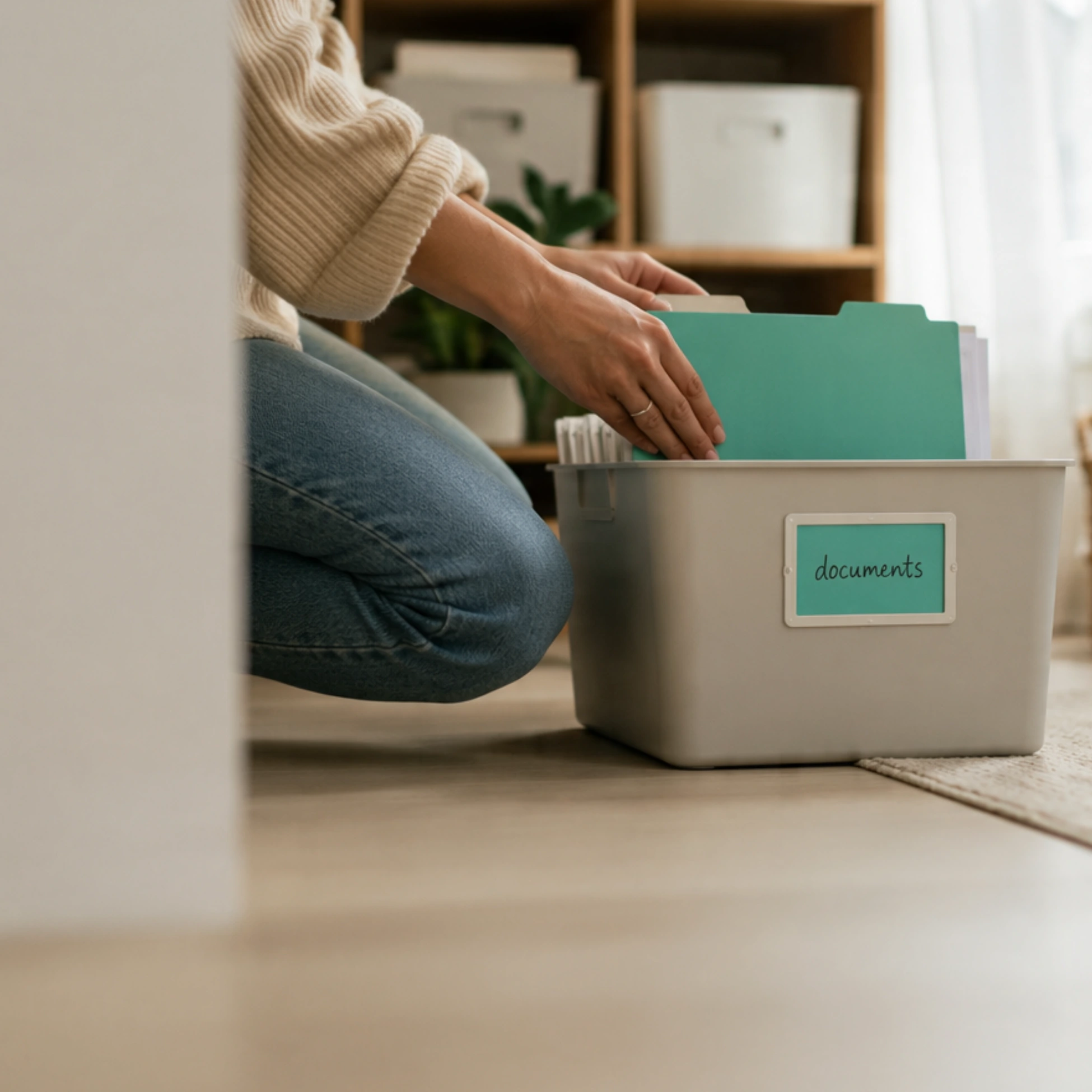
Keep it realistic and specific. A list of 40 items is overwhelming; a shorter list of the things that would genuinely make a difference gets far more action. Vague entries like "school supplies" get skipped — specific ones like "a set of labeled storage bins" get picked.
Group by category or classroom area. Splitting the list into sections (organization, tech, everyday consumables) makes it easier for someone to scan quickly and pick something in their budget, rather than scrolling through one long undifferentiated list.
Always check with your school first. Some districts have policies about what can be requested directly from families, and some items may already be covered by the school or PTO budget — it's worth a quick check before publishing a list, so nothing overlaps with what's already been provided.
Make it easy to avoid duplicates. One of the biggest frustrations for families is realizing three other parents already covered the same item. A shared, visible list where people can see what's already been picked solves this instantly — nobody wants five boxes of tissues and no printer paper.
Share it in one place, not five. Sending a list through email, then again on a class app, then again as a paper flyer, means most families only ever see one incomplete version. One shareable link, sent everywhere consistently, gets a far better response.
For Room Parents and Families
If you're the one coordinating on behalf of a classroom, a few things make the process smoother for everyone: share the list early, remind families once about two weeks before the deadline, and thank contributors publicly (with their permission) once things start arriving — it goes a long way toward keeping people engaged for the next request.

Bringing It All Together
Whether you're a teacher building your first classroom list or a room parent coordinating on behalf of twenty-five families, the goal is the same: make it effortless for people who want to help to actually do it.
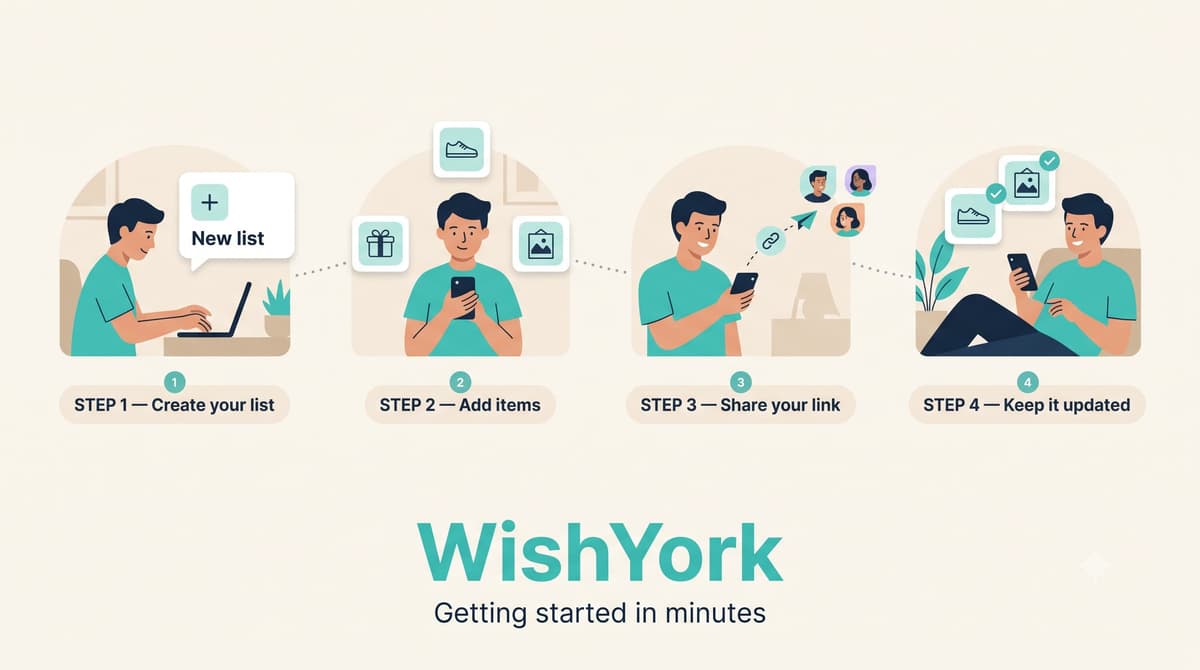
With WishYork, teachers and room parents can build a classroom wishlist in minutes, organize it by category, and share a single link with the whole class — so nobody duplicates a gift, and nothing important gets missed heading into the new school year.
Ähnliche Beiträge
Bereit loszulegen?
Erstelle deine kostenlose Wunschliste auf WishYork