Updated for July 2026
Start With a Simple Framework
Gift experts increasingly use a straightforward mental model when shopping for hard-to-buy-for people: think in five categories — something they want, something they need, something to wear, something to read, and something to experience. Instead of hunting for one perfect object, picking a single strong idea from one of these five buckets almost always lands better than an open-ended search.
Why "More Stuff" Rarely Works
If someone already has everything, the problem usually isn't taste — it's space and clutter. The gifts that consistently land well this year share three traits: they're experiential, consumable, or genuinely personal. None of them ask the recipient to find a shelf for something new.
Experiences (Instead of Objects)
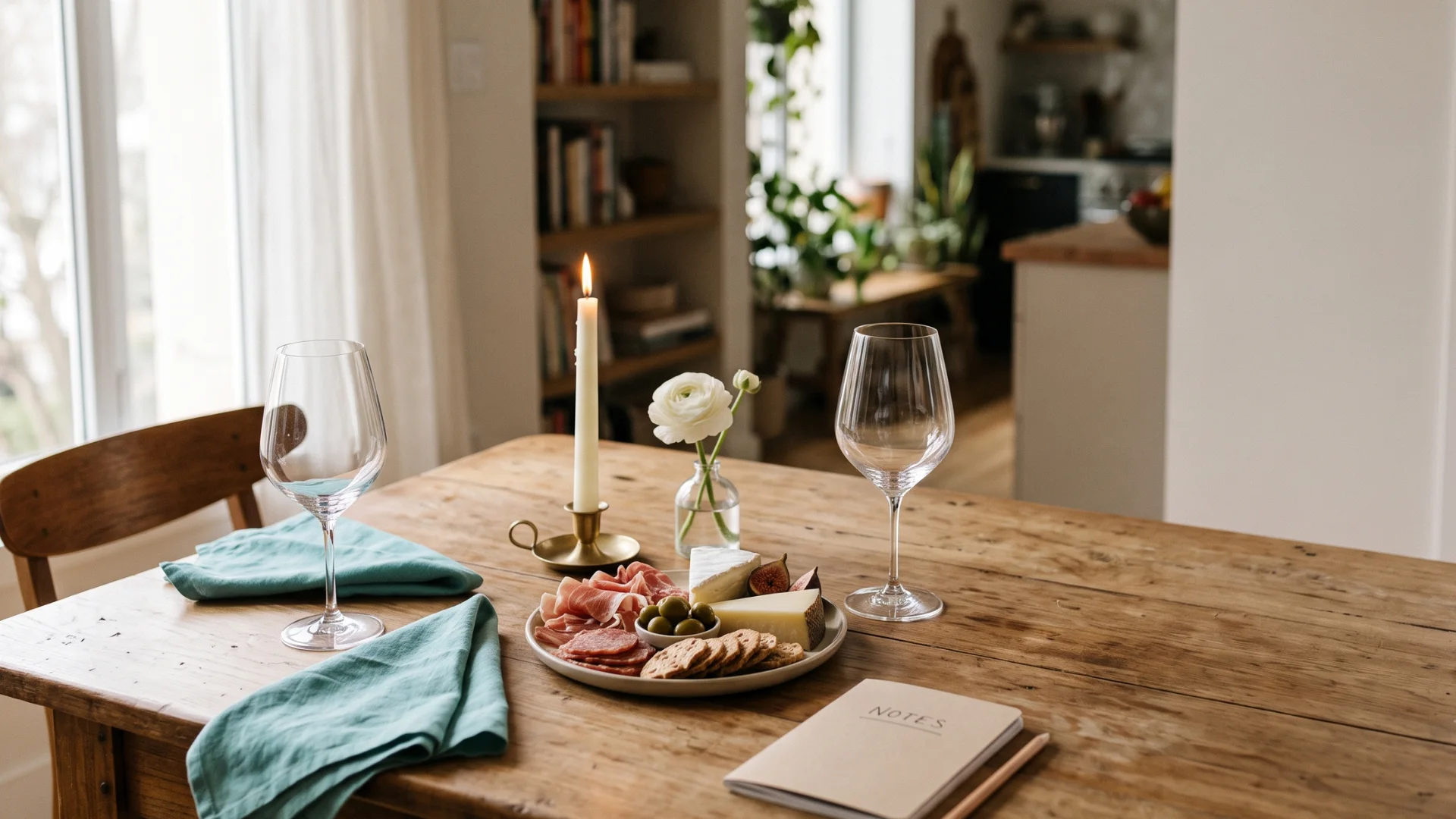
A cooking or mixology class for two — creates a shared memory rather than another item to store.
A wine, cocktail, or coffee tasting experience — many local vineyards, distilleries, and roasters now offer private tastings with food pairings.
A spa day or massage gift card — a category people rarely book for themselves, even when they can afford it.
Tickets to a show, concert, or sporting event — always a safe bet when in doubt, especially for someone with a specific team or artist they follow.
A subscription to something they already love — a wine club, a specialty coffee subscription, or a streaming service they haven't gotten around to trying.
Elevated Everyday Essentials
People who "have everything" often skip upgrading their own basics. This is where a thoughtful gift can quietly outperform something flashy:
Luxury bath towels or bedding — genuinely appreciated, rarely self-purchased.
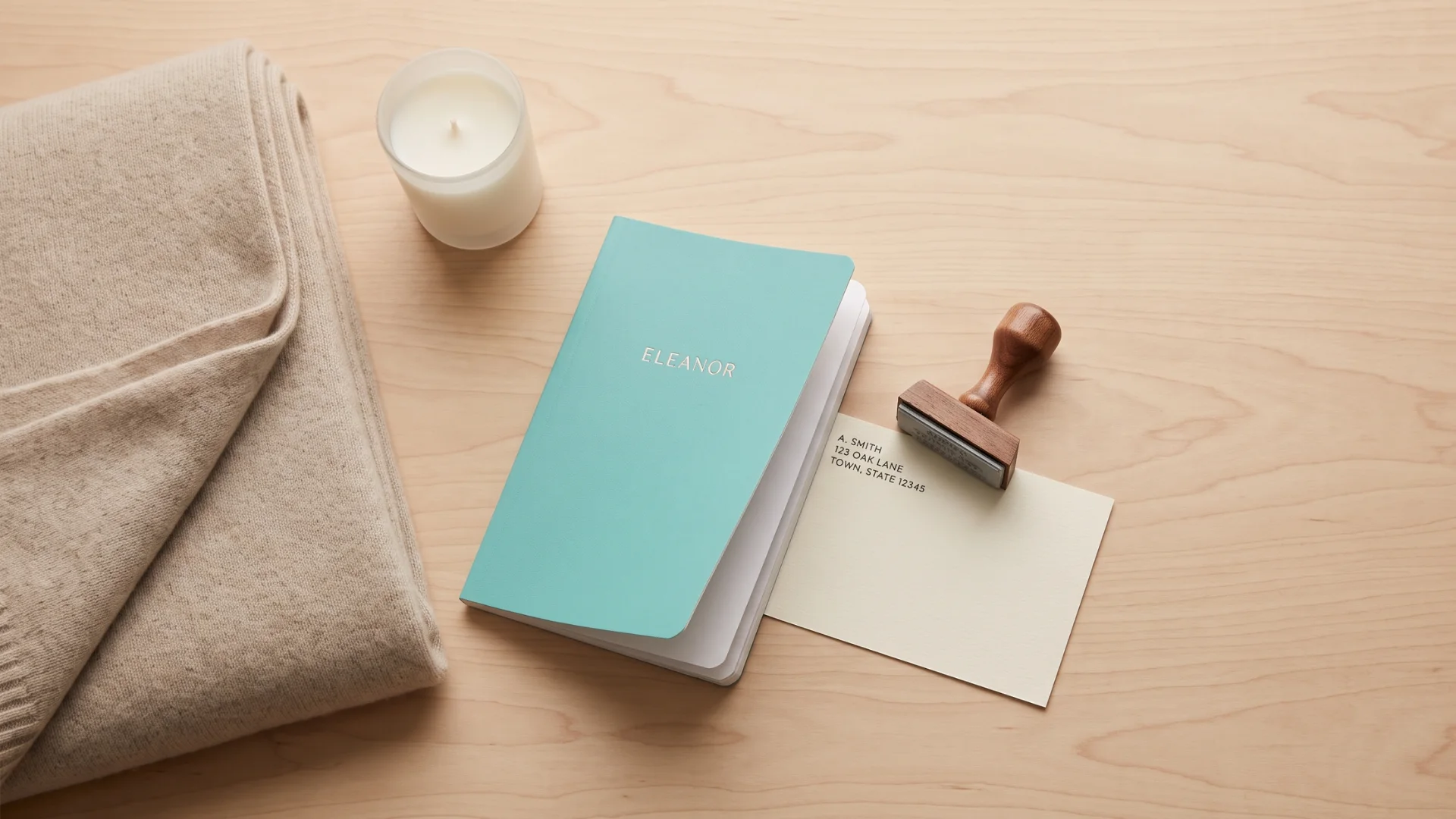
A high-quality throw blanket in a natural material like wool or cashmere blend.
A premium reed diffuser or candle set for a room they spend a lot of time in.
A well-made everyday tool — a proper corkscrew, a milk foamer, or a compact device that solves a small daily annoyance.
A digital notebook or organizer that syncs handwritten notes to their phone — a small upgrade to a habit they already have.
Consumables (No Clutter, Guaranteed Use)
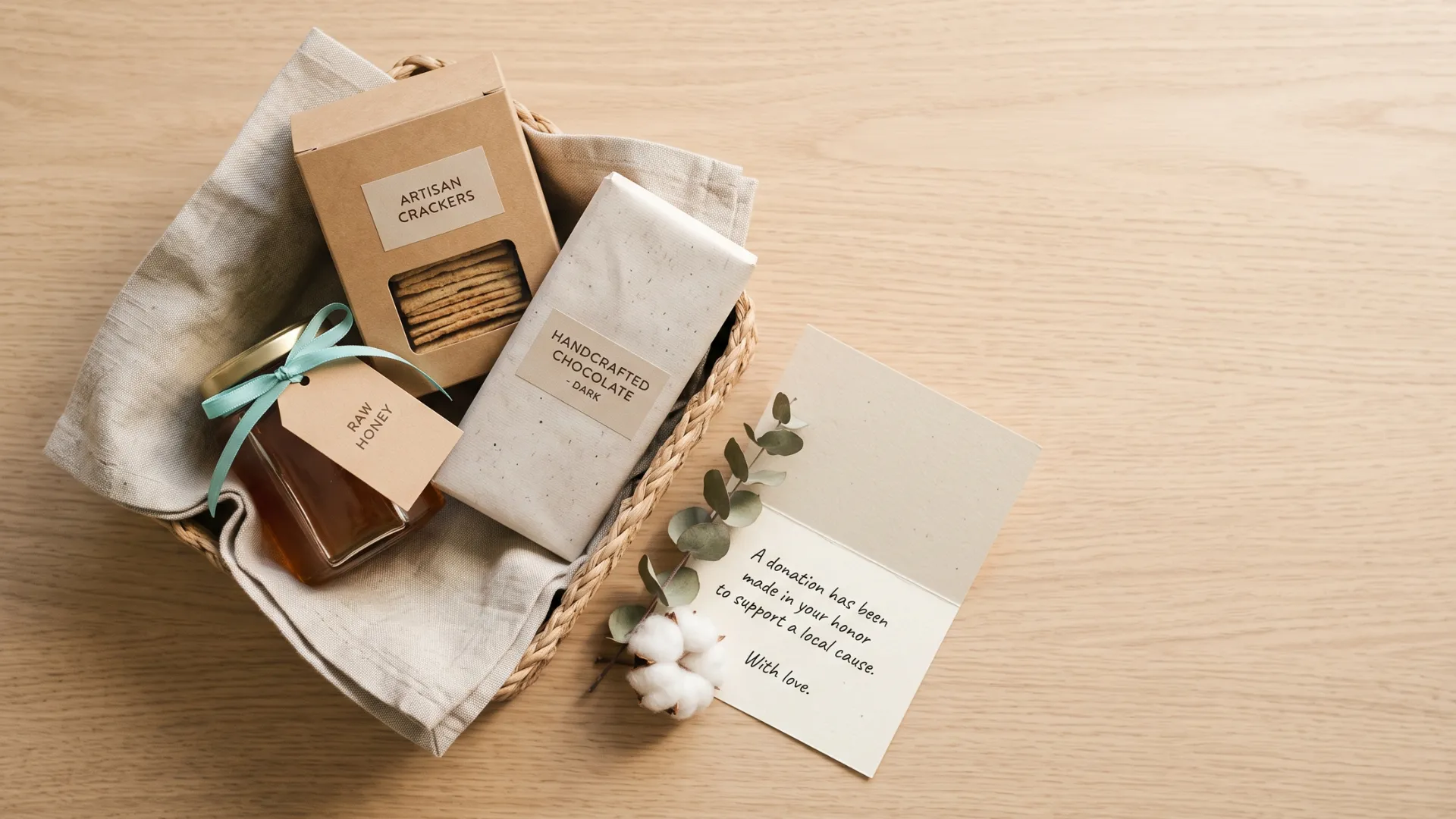
A curated food or beverage gift basket — local honey, artisan crackers, or a small-batch coffee selection.
A specialty tea or coffee sampler for the person who already has a favorite morning ritual.
A bottle of something they wouldn't buy themselves — a nicer bottle of wine or a small-batch spirit, if that fits their taste.
Personalized & Sentimental
A custom address stamp or personalized stationery — small, useful, and genuinely hard to duplicate.
A photo book or framed print from a shared memory — costs little, means a lot.
A handwritten letter paired with a small gift — consistently ranks as one of the most meaningful additions to any present, regardless of price point.
Something personalized with an initial, name, or address — a subtle way to make even a modest gift feel considered.
Charitable & Values-Based Gifts
A donation made in their name to a cause they care about — environmental, animal welfare, education, or a local community organization. This works especially well for someone who has explicitly said they don't want more things, and pairing it with a simple card explaining the donation adds a personal touch without adding clutter.
How to Actually Figure Out What They'd Like
If you're stuck, a few practical tactics tend to work better than guessing:
Notice small frustrations. A broken item or a recurring inconvenience they mention is often the clearest signal of all.
Pay attention to what they don't upgrade themselves. Many people skip the nicer version of something they use daily — that's usually a safe gift.
Look at their habits, not their wish list. Morning coffee, weekend hikes, nightly reading — a gift that fits an existing routine tends to feel more personal than something entirely new.
A Note on Budget
For this category of gift, budget matters less than intention — a well-chosen $30 consumable gift basket often lands better than an impersonal $150 item. As a general range across North America and Europe this year:
$25–50 — a specialty consumable, a small personalized item, or a modest charitable donation
$50–100 — an experience gift card, elevated everyday essentials, or a subscription
$100+ — a full experience (tasting, class, spa day) or a higher-end personalized piece
The Bottom Line
The person who has everything isn't actually asking for nothing — they're asking you to pay closer attention. Skip the generic search for "the perfect object" and lean into something experiential, consumable, or personal instead.
If you'd rather skip the guesswork entirely, building a simple wishlist takes the pressure off both sides. With WishYork, even famously hard-to-shop-for people can save a few things they'd genuinely enjoy — from any site, in one place — so their friends and family aren't left guessing.